Sewer Line Repair in Tampa
Request an estimate from a local provider
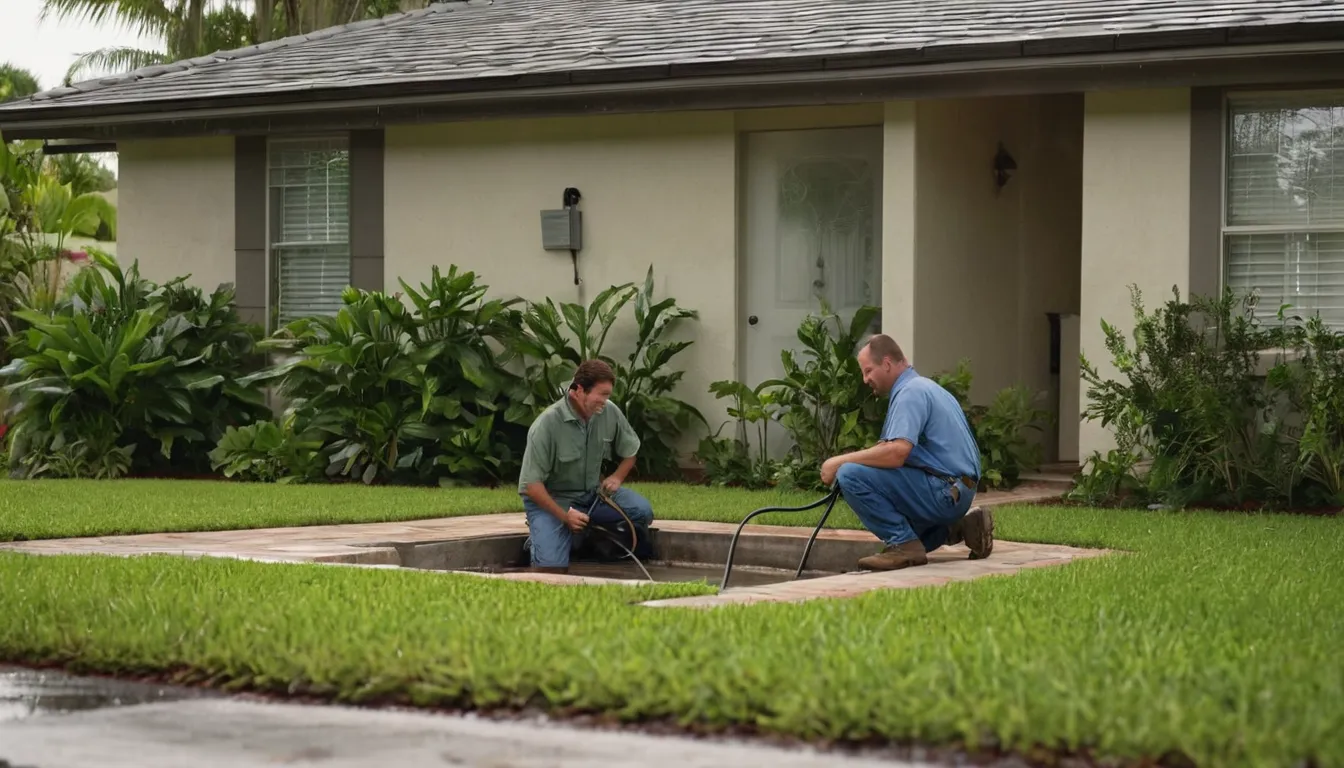
Say a storm rolls through and, an hour later, the toilet bubbles and the floor drain starts to rise. That is often a sewer line asking for help. The pipe that carries wastewater out of your home can clog, crack, sag or fill with roots. When it fails, the mess shows up inside your house.
Comparedfence Septic is a referral service. We connect homeowners in the Tampa area with independent local providers who inspect and repair sewer lines. Providers do the work, and they set their own prices and schedules. This page explains the warning signs, how repairs usually go, what they can cost, and what to ask before you agree to anything.
Sewer Backup? Start Here
Say you come home after an afternoon storm. The shower drain gurgles. The toilet bubbles when the washer runs. Then dirty water shows up in the floor drain. That is a sewer line warning, and it is the most urgent version of this problem.
Stop Adding Water
- Pause the washer, dishwasher and showers.
- Hold off on flushing.
- Keep kids and pets away from standing wastewater.
- Skip harsh drain chemicals. They rarely help a broken line.
Check Provider Availability
Providers set their own hours, so availability varies. Request a callback to check provider availability in Tampa. Many providers can respond quickly to a backup.
If Water Has Reached the Floor
Wastewater spreads fast across tile on a concrete slab. Take photos before cleanup starts. Providers can often help document damage for a claim. Some policies may cover sudden damage, so check your policy.
Signs of a Sewer Line Problem
Not every problem starts with a flood. Watch for these quieter clues:
- Slow drains in more than one room
- Gurgling after you flush
- A sewage smell near the yard or cleanout
- A soggy or oddly green strip of lawn
- A small dip or sinkhole over the line
- More rodents or insects than usual
Sewer Line or Septic Tank?
If your home has a septic system, a backup can also mean a full tank. A provider can sort that out. Sometimes the answer is septic tank pumping or emergency septic cleaning, not a pipe repair. If the trouble reaches the field, drainfield repair is a separate job. Those services have their own pages here.
What Damages Sewer Lines
Picture a quiet street in a 1970s subdivision. Under the grass, the same pipe has been working for decades. Here is what wears it down:
- Thirsty roots. Humid weather keeps soil damp most of the year. Roots find tiny joints, push in and slowly clog the line.
- Aging pipe. Older clay, cast iron and fiber pipe can crack or collapse. Newer plastic pipe can still shift or separate.
- Soggy, shifting soil. Daily summer storms soak the ground. Soft soil moves, and pipes under slabs and driveways move with it.
Timing Repairs Around Storm Season
Hurricane season runs June to November. Before a storm, providers get busy. After one, they get busier. Flooded ground can also slow digging and delay a start date.
Imagine booking a camera check in spring, when the ground is firmer and the calendar is open. A small crack gets found early. It costs less to fix than a collapse in September. Warm, wet weather also helps lawns grow back fast after a dig.
How Sewer Line Repair Works
Camera Inspection and Locating
A provider feeds a small camera into the line. You can often see the crack, root ball or sag on the screen. They trace the camera signal above ground and mark the exact spot. That shows how much digging, if any, is needed.
Choosing a Method
Options often include:
- Spot repair: dig and replace one short section.
- Trenchless lining: a resin liner formed inside the old pipe.
- Pipe bursting: new pipe pulled through the old path.
- Full replacement: an open trench for badly failed runs.
Block homes on slabs can make under-house lines harder to reach. Ask what is possible for your layout.
Testing and Cleanup
After the work, the provider should test the flow and may run the camera again. Ask for the result in writing.
Permits and Property Lines
Say the broken pipe sits right at the curb. Who owns it? Often the homeowner owns the line from the house to the property line. The city or utility may own the rest. Rules differ, so ask the provider and your local utility.
Many repairs need a permit and an inspection. Condo and HOA communities may add their own rules. Providers usually know the local steps.
If you have a private well on the property, mention it. Trenches need a safe distance from wellheads, and water well service is a different trade.
Restoring Your Yard
Trenchless work leaves a smaller footprint. Open trenches leave a long strip of bare soil. Ask whether the quote includes backfill, sod, sprinkler heads, and patching of a driveway or patio. Not every quote does. Photos of your yard before work starts help everyone agree on the starting point.
Keeping Your Sewer Line Healthy
- Flush only toilet paper. Wipes labeled flushable still clog pipes.
- Keep grease out of the sink.
- Plant trees well away from the line.
- Learn where your cleanout is.
- Book a camera check before hurricane season if your home is older.
Questions to Ask Before You Agree
Ask before you agree. A good provider will not mind these:
- Can I see the camera video?
- Why this method instead of the others?
- Is the permit included?
- What does the written quote cover, and what could change the price?
- Is there a warranty on the work, and who stands behind it?
Who Does the Work
Comparedfence Septic is a referral service. We connect you with independent local providers. Providers do the work, set their own prices and answer for their results. Request a callback to talk through your situation and get pointed to a provider.
What's Included
Camera Line Inspection
A small camera shows the crack, root ball or sag so the repair plan fits the real problem.
Line Locating
The provider marks the exact spot above ground to limit digging.
Repair or Replacement Options
Spot repair, trenchless lining, pipe bursting or full replacement, based on what the camera finds.
Testing and Cleanup
Flow is checked after the work, and the site is tidied before the provider leaves.
Typical Sewer Line Repair Costs
Prices vary a lot by pipe depth, length, access and local permit rules. These are typical U.S. ranges. Always ask for a written quote before work begins.
| Service | Typical range | Notes |
|---|---|---|
| Camera inspection | $100 – $500 | Often done first to find the cause |
| Line cleaning or jetting | $150 – $800 | Clears roots and buildup, not cracks |
| Cleanout installation | $250 – $1,500 | Makes future access easier |
| Spot repair | $1,000 – $4,000 | Short section dug up and replaced |
| Trenchless lining or bursting | $4,000 – $12,000 | Less digging, depends on run length |
| Full line replacement | $3,000 – $15,000+ | Long runs and deep pipes cost more |
How It Works
Tell Us What Happened
Request a callback or send the estimate request describing the gurgling, smells, backups or wet spots you have noticed.
Get Connected
Comparedfence Septic routes your request to an independent provider in our network serving your area.
Review the Quote
The provider explains the findings and gives a written quote. Ask questions first.
Provider Does the Work
If you agree, the provider schedules and completes the repair, permit and cleanup.
Why Call Comparedfence Septic
Clear Referral Role
Comparedfence Septic makes the connection. Independent providers do the work and set their own prices.
Local Providers
Providers in our network work in the Tampa area and know local soil, storms and permits.
No Obligation
Request an estimate, compare it, and decide on your own timeline.
Plain Answers
Simple explanations help you ask good questions before agreeing to any repair.
Other Services
Need sewer line repair in Tampa?
Describe your septic or sewer problem and we will route your request to a local provider in our network. Providers set their own hours and prices.
No obligationSewer Line Repair FAQ
How do I know if my sewer line is broken?
Common signs include slow drains in several rooms, gurgling, sewage smells, backups and wet spots in the yard. A provider can run a camera through the line to confirm what is wrong.
Does homeowners insurance cover sewer line repair?
It depends on your policy. Some policies may cover sudden damage, but wear and tree roots are often excluded. Check your policy, and providers can often help document damage for a claim.
Who is responsible for the sewer line, me or the city?
Often the homeowner owns the pipe from the house to the property line, and the utility owns the rest. Rules vary, so ask your provider and local utility.
Request a callback
Describe your septic or sewer problem and we will route your request to a local provider in our network. Providers set their own hours and prices.
No obligation