Septic Tank Pumping From Local Providers
Talk to a local provider today
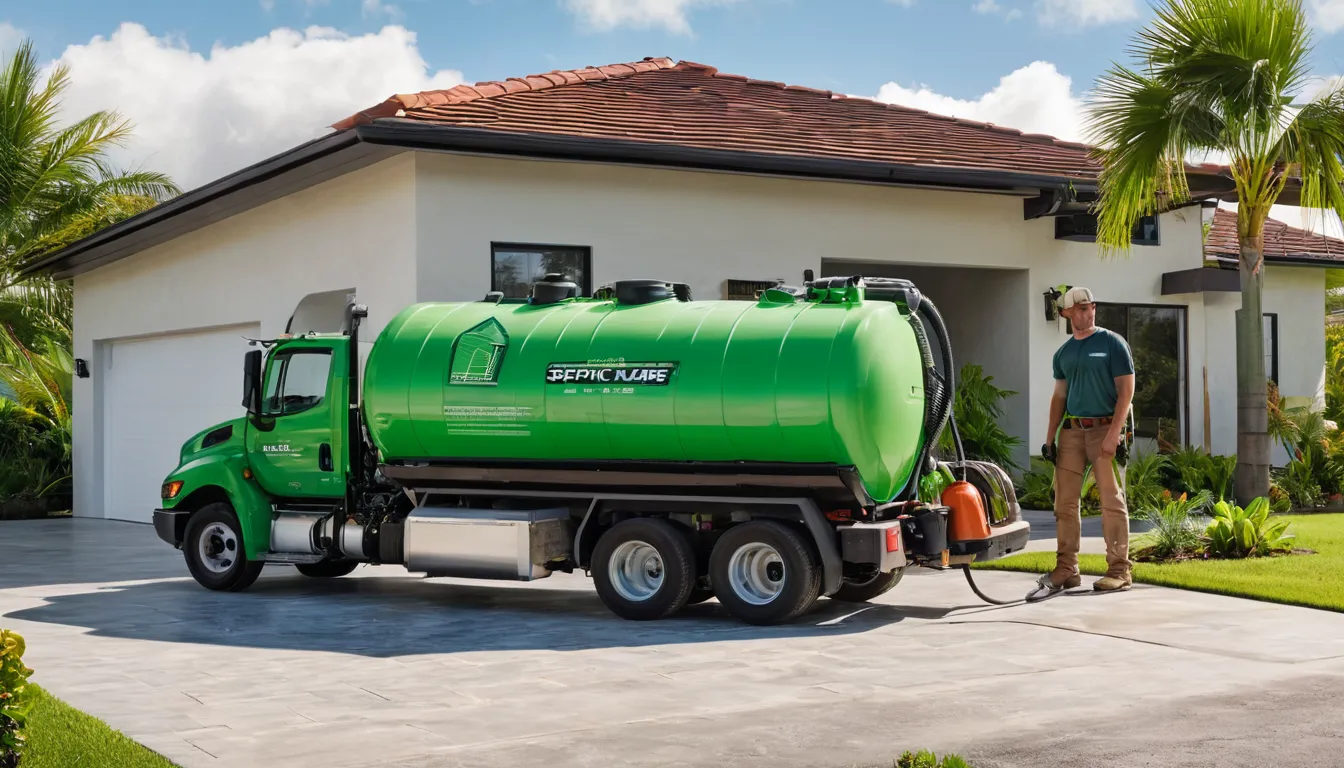
Say you notice a gurgling toilet, a slow shower, and a damp, smelly spot in the yard. Those are common signs of a tank that is full or overdue. Septic tank pumping removes the built-up sludge and scum so wastewater can flow again.
Comparedfence Septic is a referral service. We do not pump tanks. Independent providers in our network do the work, and we help you reach one in the Tampa area. Storms, high humidity, and wet soil can make a full tank worse, so timing matters. Request a callback to check provider availability, or request an estimate and compare what you hear. Ask questions before you agree to anything.
Start With the Scene
Say you come home after an afternoon storm. The toilet gurgles when you flush. The shower drains slowly. Out back, one patch of lawn is wet, and the air smells a little off.
That picture often points to a tank that is full or overdue. Septic tank pumping is the usual first step.
Signs the Tank Needs Pumping
A tank rarely fails without hints. Watch for these:
- Several drains slow down at the same time
- Gurgling sounds from pipes after you run water
- A sewage smell near the tank lid or along the yard
- Grass that is soggy or unusually green over the tank area
- Water backing up in a tub or floor drain
If you see more than one, plan a pumping soon.
When It Becomes Emergency Septic Cleaning
Now picture sewage rising in the tub, or the toilet will not drain at all. This is the urgent end of the problem.
Stop using water now. Skip the laundry, the dishwasher, and long showers. Every gallon you send down has nowhere to go.
Request a callback to check provider availability. Many providers can respond quickly to a backup, though timing depends on their schedule and the weather.
Why Regular Pumping Matters
Inside the tank, heavy solids sink and form sludge. Light grease and scum float on top. The water in the middle flows out to the drainfield.
When sludge and scum pile up, they take space the water needs. Solids can then slip out to the drainfield and clog the soil. Fixing a clogged drainfield costs far more than a routine pumping.
How Often Should You Pump?
Many homes land in the range of every three to five years. Your number can be shorter or longer.
- A bigger household uses more water and adds more solids
- A smaller tank fills faster
- A garbage disposal adds extra solids
- Heavy laundry days can push water through too fast
A provider can measure the layers in your tank and suggest a schedule that fits your home.
How the Seasons Change the Timing
In a warm, humid climate, rain shows up often. Summer storms can fall almost every afternoon, and the ground stays wet. A drainfield in soggy soil has little room to take more water.
So a full tank feels worse in storm season. Hurricane season runs from June to November, and heavy rain can raise the water table. Many homeowners schedule pumping before the wet months, not during them.
If your yard is flooded, ask the provider about timing. An empty tank in saturated ground needs care, and some providers may suggest waiting until the water drops.
Most homes here sit on slabs with few basements. That means a backup shows up at a tub, shower, or floor drain on the ground level. Do not ignore a first gurgle.
What Happens During a Pumping Visit
The provider finds the tank and opens the lid. If it is buried, some digging may be needed. A hose then draws out the liquid, scum, and sludge.
A good visit also includes a quick look at the tank. The provider may check the baffles, the outlet filter, and the water level, then tell you what they saw.
Who Does the Work
Comparedfence Septic is a referral service. We do not own trucks and we do not pump tanks. Providers do the work, and they set their own prices and schedules.
When you send a request, we route you to an independent provider in our network. You decide whether to book. Ask before you agree.
Pumping and Inspections
Pumping is a good time for a closer look. With the tank empty, a provider can see cracks, worn parts, or signs of backflow from the drainfield.
Ask if an inspection is part of the visit or priced on its own. A written note about the tank's condition is handy for your records.
Buying or Selling a Home
Say you are selling and the buyer asks for a septic inspection. A recent pumping record helps the conversation. Buyers often want one before closing, so ask a provider about timing.
If you are buying, ask for past pumping records. No records can mean the tank is overdue.
Caring for the System Between Pumpings
- Spread laundry across the week
- Fix running toilets and dripping faucets
- Flush only toilet paper and waste
- Keep grease, wipes, and coffee grounds out of drains
- Keep cars and heavy loads off the tank and drainfield
Questions to Ask the Provider
- What does the price include?
- Will you check the baffles and filter?
- Can you pump a tank with a buried lid, and what does that add?
- What happens if the yard is very wet?
- Will I get a written note of what you found?
If your home has a private well, mention it. Some providers also offer water well service, so ask what they handle.
What's Included
Tank Pumping
A provider removes sludge, scum, and liquid from your tank so wastewater has room to flow again.
Basic Tank Check
Many visits include a look at the lid, baffles, and outlet filter.
Urgent Backup Response
For emergency septic cleaning, ask a provider about availability when sewage is rising indoors.
Pumping Notes
You can ask for a written summary of what was seen, handy for records or a home sale.
Typical Pumping Costs in the U.S.
Prices vary by tank size, access, and how full the tank is. These are typical U.S. ranges, not quotes. Always ask the provider for a written quote before work begins.
| Item | Typical range | Notes |
|---|---|---|
| Routine pumping, standard tank | $250 – $600 | Common for 1,000 to 1,250 gallon tanks |
| Larger tank pumping | $400 – $900 | More volume means more time |
| Urgent or rush visit | $100 – $300 extra | Some providers add a fee for quick scheduling |
| Digging to reach buried lid | $100 – $400 | Depends on soil and depth |
| Riser or lid installation | $300 – $900 | Makes future pumping easier |
| Tank inspection with pumping | $150 – $500 | Scope varies by provider |
How It Works
Share Your Situation
Request a callback or send the request form and describe the drains, smells, or backups you are seeing.
Get Matched
We route you to a local provider in our network.
Review the Quote
Ask what is included and get the price in writing before work starts.
Provider Does the Work
The provider pumps the tank, checks key parts, and tells you what they found.
Why Call Comparedfence Septic
Local Providers
Requests are routed to independent providers in our network who serve homeowners across the wider service area.
Honest Role
We make the connection. Providers do the work and set the price.
Clear Questions
You get help knowing what to ask before you agree to a visit.
No Obligation
Requesting an estimate does not commit you to book.
Other Services
Need septic tank pumping in Tampa?
Describe your septic or sewer problem and we will route your request to a local provider in our network. Providers set their own hours and prices.
No obligationSeptic Tank Pumping FAQ
How do I know if my septic tank is full?
Common signs are slow drains, gurgling pipes, sewage smells, and wet spots over the tank or drainfield. If sewage backs up indoors, stop using water and contact a provider.
How often should a septic tank be pumped?
Many homes need pumping every three to five years. Tank size, household size, and water use change that. A local provider can check your tank and suggest a schedule.
Can a septic tank be pumped during heavy rain?
Often yes, but very wet ground can complicate things. Ask the provider whether high groundwater is a concern for your tank.
Request a callback
Describe your septic or sewer problem and we will route your request to a local provider in our network. Providers set their own hours and prices.
No obligation